

Jelly, Peanuts, Oats: Anti-Blocking Tips for Different Granular Materials on a VFFS
Jelly, Peanuts, Oats: Anti-Blocking Tips
Different Granular Materials, Different Funnel Blockages
Vertical Packaging Machine Encyclopedia ·— for operators running multi-product lines
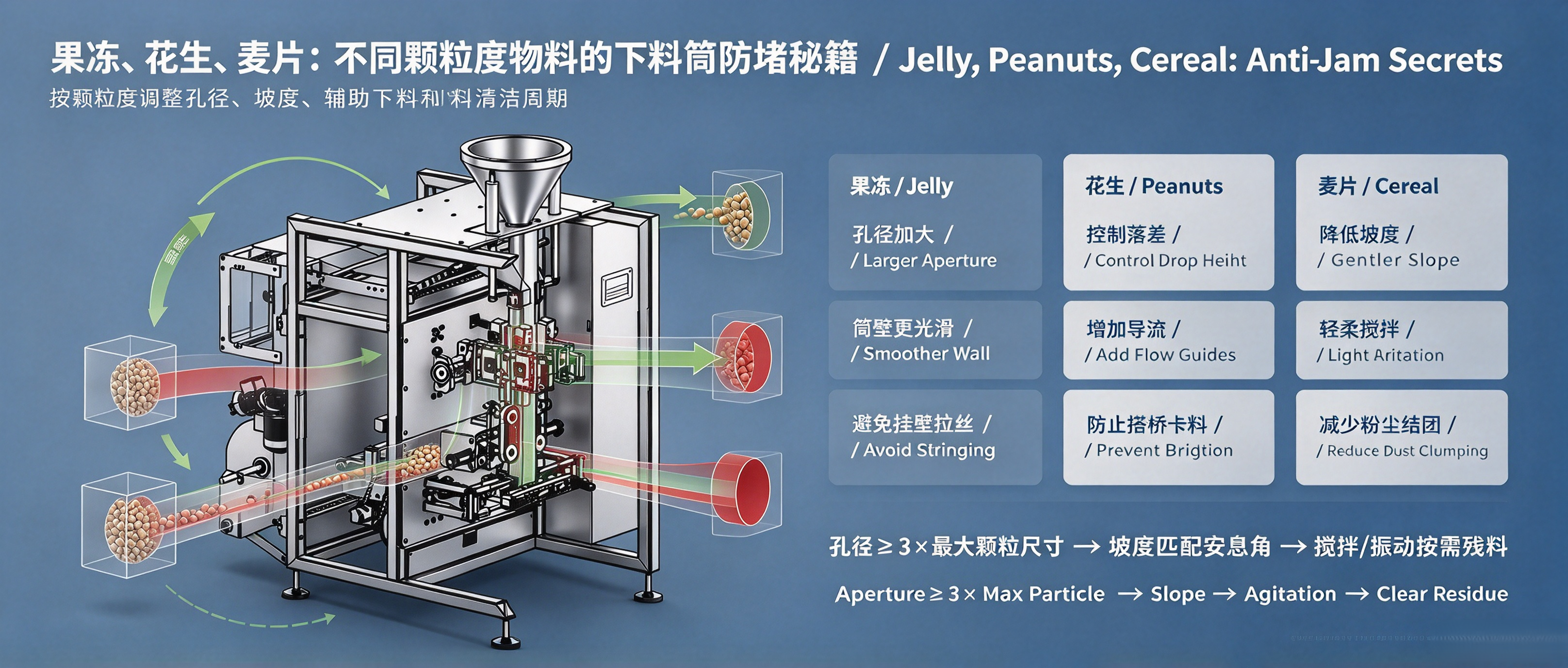

Cover: different granular materials block the funnel in different ways
Morning run on peanuts — smooth. Afternoon switch to jelly — the funnel throat suddenly “glugs” and blocks. You poke it for ten minutes: the material has formed a bridge across the funnel.
This is daily life on a multi-product line. The manual says the machine handles puffed snacks, shrimp crackers, peanuts, popcorn, oats, melon seeds, jelly, sugar, salt, detergent powder — all granular, short-strip or noodle-form products. Particle size varies wildly, so one anti-blocking trick cannot cover every material.
1. Classify First: Flowability Decides
Whether the funnel blocks comes down to the material’s flowability. Split it into two groups:
• Free flow: peanuts, melon seeds, sugar, salt — uniform pellets, smooth surface, gravity alone feeds them; standard hopper angle works.
• Poor flow: coated jelly, dusty oats — irregular size, sticky or powdery surface, prone to forming an “arch” at the throat.
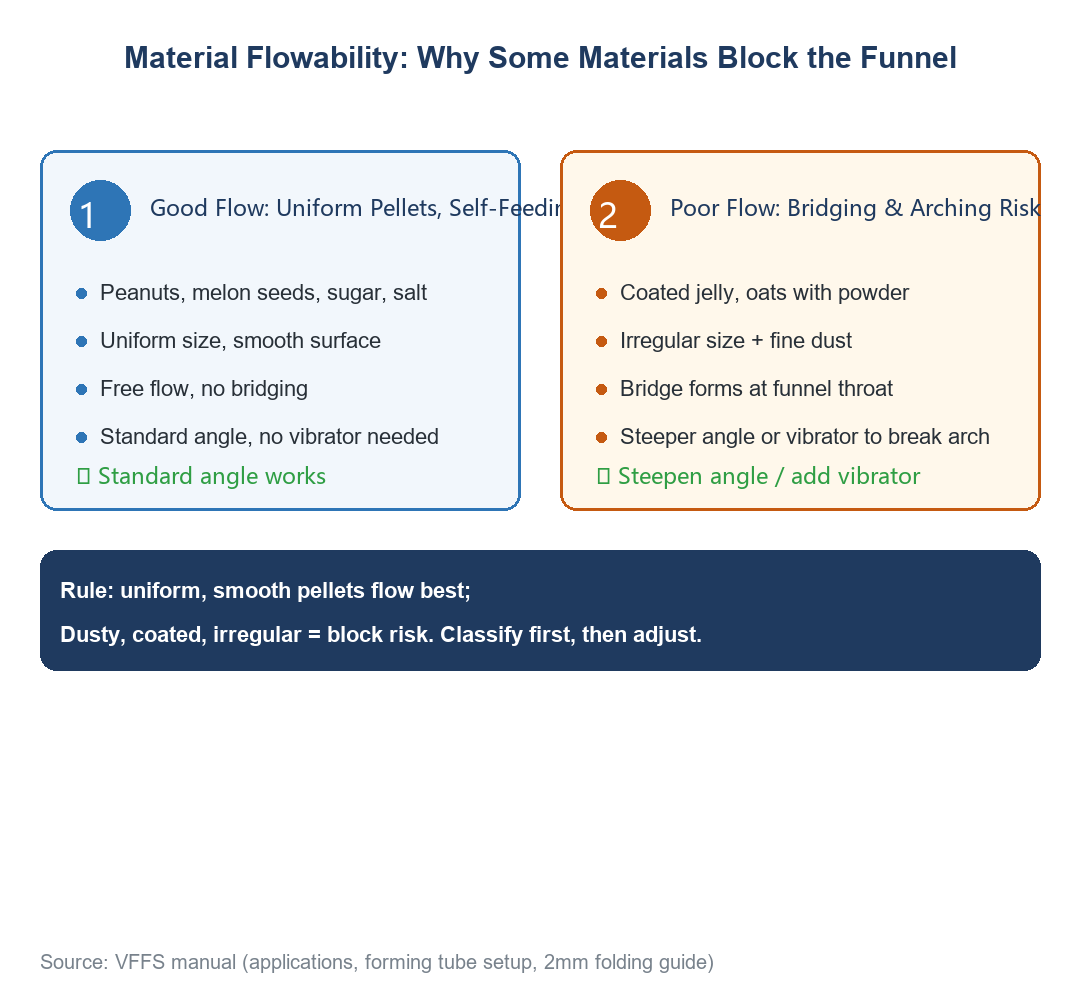

Fig. 1: Material flowability classification (from the manual, applications)
2. Tilt the Funnel: Angle Follows the Material
“The forming tube adjustment directly affects bag quality and film pulling. When the bag width changes, simply remove the forming-tube assembly and install the matching one.”
— VFFS instruction manual — forming tube adjustment notes
The forming tube shapes the bag; the hopper feeds the product. When switching to a poor-flow material, steepen the hopper angle so gravity slides the product down instead of packing it in. A steeper wall means less “sticking”.
⚠ Do not over-steepen — the folding guide A-point must stay 2mm from the forming tube. Move one thing, re-check the alignment.
3. Add a Vibrator: Break the Bridge
If angle alone does not clear the bridge, bring in the vibrator. Mount a small vibrator on the hopper wall.
• Pulsed, not continuous: vibrate while feeding, stop once the level is steady — continuous vibration packs the material tighter.
• Right location: on the conical wall, never on the forming tube or longitudinal seal, or film feeding will suffer.
• Start low: minimum setting first; enough to break the arch is enough — too strong crushes the jelly coating.
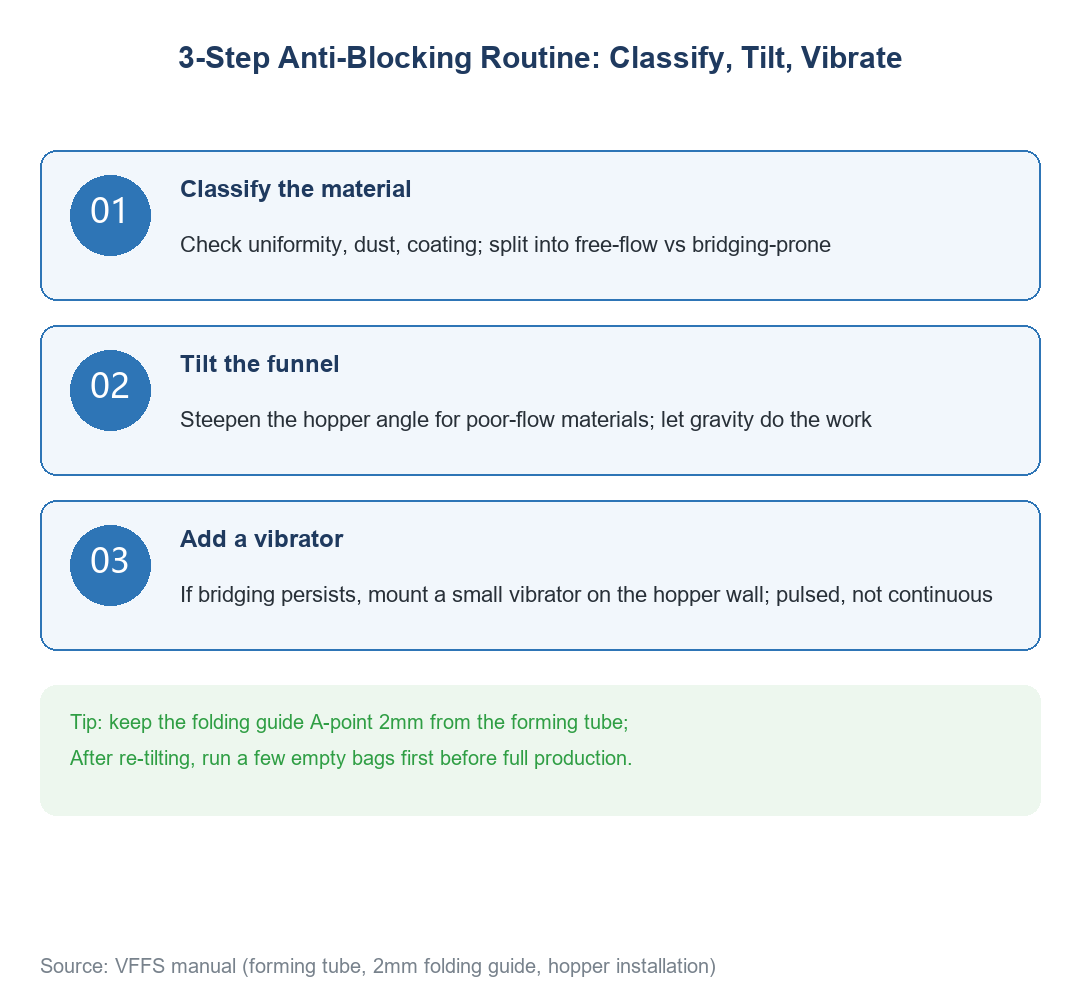

Fig. 2: 3-step anti-blocking routine (from the manual, forming tube & 2mm folding guide)
4. Must-Checks After a Material Change
After tilting and adding the vibrator, do not jump straight to full production. Follow the manual’s startup sequence:
Table 1. Four must-checks after a material change
|
Step |
Check |
Standard |
|
1 |
Folding guide A-point to forming tube |
Keep 2mm |
|
2 |
Run a few empty bags |
Film feeds smooth, seal centered |
|
3 |
Feed consistency |
Same fill every bag, no surging |
|
4 |
Temperature controller settings |
Re-confirm by film, speed, ambient temp |
✔ Treat material changes like tool changes. Log the hopper angle and vibrator setting for each product in the shift handover — next switch back is instant.
Final Thoughts
Jelly, peanuts, oats — different particles, same logic: classify the material, tilt the angle, then vibrate. Hold the 2mm forming-tube line and every switch is calm.
Next article: why winter and summer need two parameter sets — ambient-temperature compensation for sealing.
Call to Action & Series Note
Still fighting funnel blockage after material changes? Send us your material details (type, particle size, moisture) — our engineers will recommend the hopper angle and vibrator setup. Or reply with keyword “manual” to download the VFFS Instruction Manual (PDF).


